
The news is serious: the Milan Prosecutor’s Office has requested judicial administration for Tod’s Spa, accused of having negligently facilitated “severe labor exploitation” along its supply chain.
Investigators speak of workers paid €2.75 per hour, forced to work in degrading conditions — a dynamic that resembles slavery more than high-end craftsmanship.
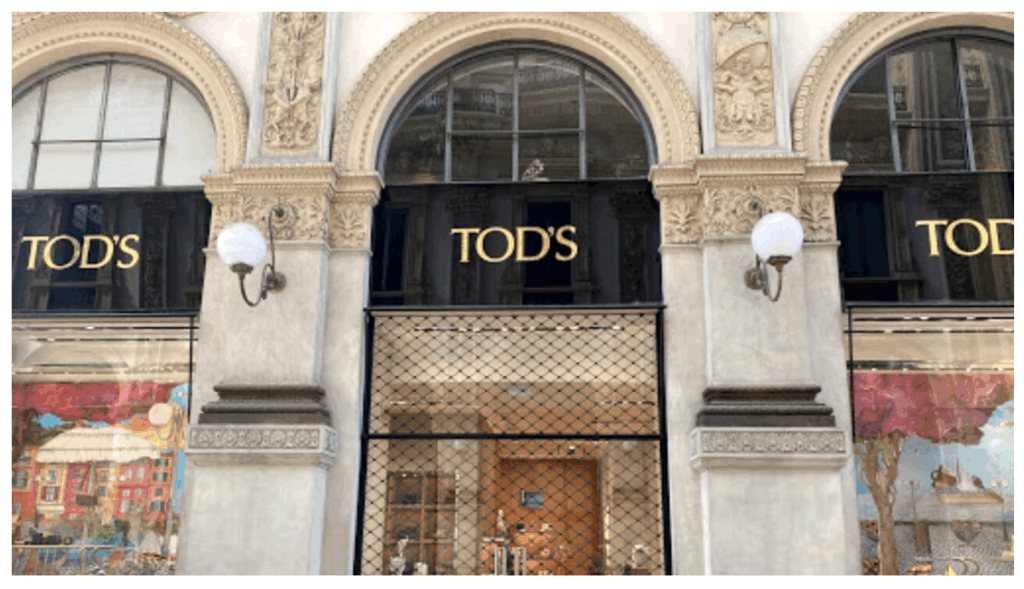
An accusation that clashes with the brand’s public image, but above all with the pages of its sustainability report: 100% renewable energy, emission reductions, community projects, and the narrative of an Italian supply chain to be enhanced.
The paradox is evident: what is the point of a sustainability report if it fails to shed light on the most fragile link in the chain?
The uncomfortable question: who certifies sustainability?
It is not enough to declare commitments and figures: the real issue is independent verification.
- Who checks that the reported data are reliable?
- Who ensures that ESG standards are more than an image exercise?
- Who sheds light on subcontracting, outsourcing at the lowest price, and workshops where rules are ignored?
Without rigorous, transparent, and independent controls, a sustainability report risks being nothing more than a veneer of storytelling, more useful for reputation than for real change.
A systemic, not episodic, problem
The Tod’s case is not an exception.
Other luxury and fast fashion brands have faced similar scandals in recent years. The truth is that we are dealing with a systemic fragility, built on shadows, opaque subcontracting, and dispersed responsibilities along the value chain.
And yet, if sustainability is to be credible, a brand cannot stop at the first tier of the supply chain. It must take responsibility for what happens down to the last workshop, the last payslip, the last invisible person working behind the scenes.
Sustainability is not a PDF
A glossy ESG report can be published every year, but if the chain remains broken, that document becomes a fragile castle.
True sustainability is built on truth, transparency, and shared responsibility.
It is not enough to write about renewables and emission reductions: companies must have the courage to shine light on the shadowed areas, where the real test of sustainability lies.
Because sustainability is not a downloadable file — it is an act of truth.
And real accountability is the one that leaves no one in the dark.