
A growing number of studies reveal an alarming paradox: CEOs of large companies are well aware of climate-related risks, yet they consistently underestimate how these risks will affect their own business. As if the climate crisis were always someone else’s problem.
A distorted perception
According to several surveys, including the World Economic Forum report “The Cost of Inaction: A CEO Guide to Navigating Climate Risk” (2024), many CEOs show a gap between theoretical awareness and operational perception. They acknowledge climate change as a systemic threat but fail to prepare for its direct effects on their business model.
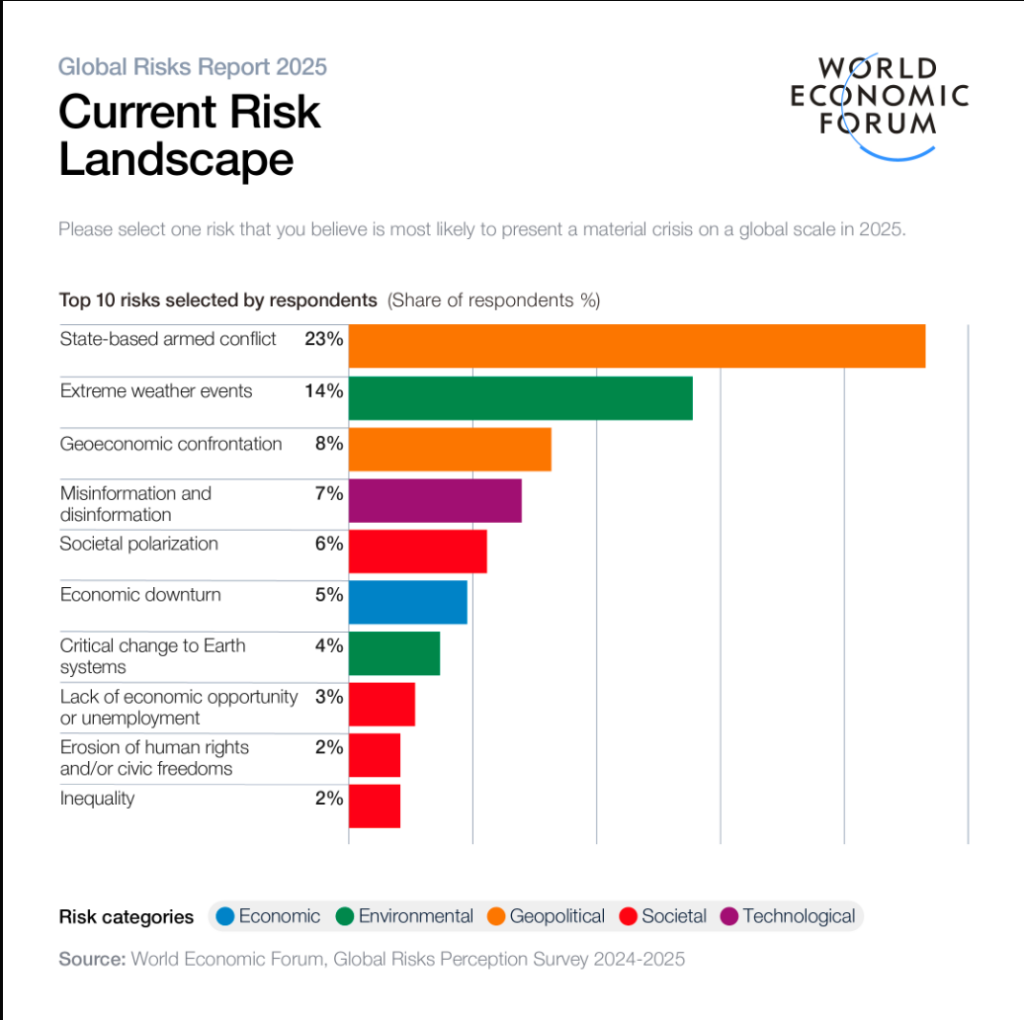
Markets are already reacting
This underestimation does not go unnoticed. Financial markets are already factoring climate risks into company valuations. Rating agencies, institutional investors, and ESG funds consider how well companies adapt to changing climate scenarios.
The cost of inaction
The World Economic Forum highlights:
- Climate disasters have caused over $3.6 trillion in damages since 2000.
- Global GDP could shrink by up to 22% by 2100 without decisive action.
- Unprepared companies risk losing between 5% and 25% of EBITDA by 2050.
- Every $1 invested in resilience can generate up to $19 in future savings.
Turning risk into strategic leverage
Today, businesses have a choice: ignore the signals and risk irrelevance, or transform climate risk into an opportunity for strategic evolution. Sostenibilità Consulting is here to guide companies in aligning climate, strategy, and competitiveness.